

Benefits of Choosing All-on-4 Dental Implants Over Traditional Dentures
June 1, 2026When multiple teeth are missing, daily routines often become more complicated than people expect. Some individuals begin avoiding certain foods because chewing feels difficult. Others notice changes in speech or become self-conscious about smiling. For people considering same-day dental implants in Hackensack, NJ, the goal is often to regain a level of comfort and confidence that has gradually been lost over time.
Traditional dentures can replace missing teeth, but they do not function like natural teeth. As the mouth changes after tooth loss, many denture wearers experience challenges with fit, stability, and chewing ability. All-on-4 treatment was developed to provide a fixed alternative that addresses many of these concerns.
What Are All-on-4 Dental Implants and How Do They Work?
Natural tooth roots do more than hold teeth in place. They transfer chewing pressure into the jawbone, helping maintain bone density and supporting normal oral function.
After teeth are lost, the jaw no longer receives the same stimulation. Over time, bone volume may gradually decrease in areas where teeth are missing. This process can influence facial support and may affect how removable dentures fit.
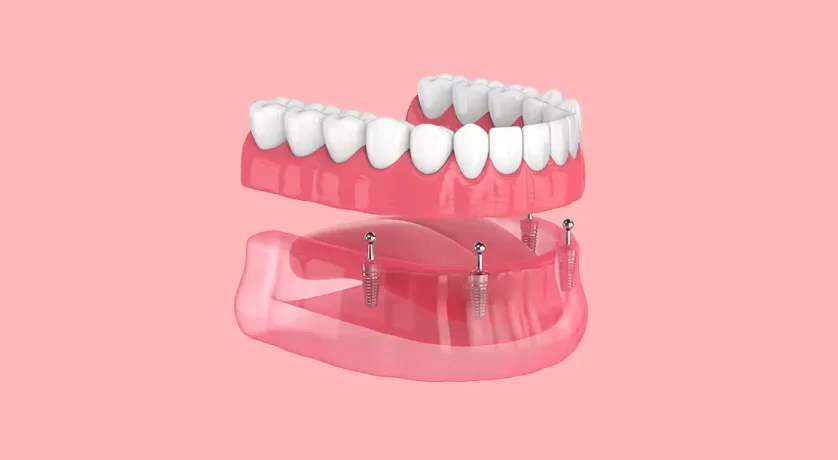
All-on-4 treatment uses four strategically positioned implants to support a complete arch of replacement teeth. The implants are placed in areas of the jaw that provide strong support and are designed to integrate with the surrounding bone during healing. Once integrated, they create a stable foundation for a fixed prosthesis that remains securely attached during daily activities.
Successful treatment depends on several factors, including bone availability, gum health, bite relationships, and individualized treatment planning. A detailed evaluation helps determine whether this approach is appropriate for a patient’s specific needs.
Differences Between All-on-4 Implants and Traditional Dentures
Although both treatments replace missing teeth, their mechanisms of action are very different.
Traditional dentures rest on the gums and rely on the shape of the mouth for retention. As the jaw changes over time, dentures may loosen and require adjustments to maintain their fit.
All-on-4 restorations are directly connected to implants anchored in the jawbone. Because the teeth are secured rather than resting on soft tissue, they generally remain more stable during eating and speaking.
The difference often becomes most noticeable during everyday activities. Foods that may have been difficult to chew with removable dentures can feel easier to manage with implant-supported teeth. Many people also appreciate not having to worry about movement while talking or laughing.
Key Benefits of All-on-4 Implants for Stability and Comfort
A common frustration among denture wearers is adapting to the movement that can occur during meals. Even well-made dentures can shift under pressure, particularly when eating foods that require greater chewing force.
Because implant-supported restorations are attached to implants within the jaw, they provide a more secure foundation for daily function.
Additional advantages may include:
- Greater chewing efficiency
- Reduced movement during speech
- Improved comfort throughout the day
- Better support for facial contours
- A restoration that remains fixed in place
The impact often extends beyond oral function. Feeling confident that replacement teeth will remain secure can make social interactions feel more comfortable.
How Same-Day Implants Improve Convenience and Confidence
Many patients worry about spending an extended period without teeth while undergoing treatment.
Depending on clinical findings and treatment planning, temporary teeth can often be attached shortly after implant placement. This allows many individuals to leave with functional teeth on the same day as their procedure.
Receiving same-day teeth does not eliminate the healing phase, but it allows patients to maintain a normal appearance while the implants integrate with the jawbone. For many people, this makes returning to work, attending social events, and participating in everyday activities far less stressful.
Long-Term Advantages Over Removable Dentures
One of the most important differences between these treatment options involves long-term stability.
Traditional dentures replace missing teeth, but they do not replicate the root structure that anchors natural teeth in the jaw. As bone volume decreases over time, the fit of a denture may change, resulting in additional maintenance and adjustments.
Dental implants are positioned within the jawbone and function as artificial tooth roots. While every patient heals differently, implant-supported restorations may provide benefits that support long-term oral function and stability.
Patients considering full-mouth dental implants are often looking for a solution that offers durability, comfort, and a fixed design that does not require daily removal.
Who Is a Good Candidate for All-on-4 Implants?
This treatment may be considered for individuals who:
- Are missing most or all of their teeth
- Wear loose or uncomfortable dentures
- Have difficulty chewing because of tooth loss
- Have experienced bone loss in the jaw
- Want a fixed alternative to removable appliances
Treatment recommendations should be based on oral health findings rather than a one-size-fits-all approach.
Patients from nearby communities such as Maywood and Teaneck often seek consultations to learn whether implant-supported treatment can help improve daily function and quality of life.
Why Treatment Planning Matters for Long-Term Implant Success
Implant treatment involves much more than replacing missing teeth. Bone quality, gum health, bite alignment, and overall oral condition all influence long-term outcomes.
When exploring options for replacing missing teeth, choosing a provider who conducts a detailed evaluation and develops a personalized treatment plan is essential. Proper planning helps ensure the implants are positioned correctly and that the restoration functions comfortably for years to come.
At Designing Smiles Dental, comprehensive evaluations and personalized treatment planning help patients understand their options and make informed decisions about implant care.
Final Thoughts
For many people, the decision between dentures and implant-supported treatment comes down to daily comfort, chewing ability, and long-term confidence. While dentures remain a suitable option in some situations, implant-supported restorations offer a fixed alternative that more closely mimics the function of natural teeth. When researching All-on-4 implants near you, discussing your needs with a dentist in Hackensack can help you explore potential treatment solutions while supporting both immediate function and long-term oral health. Visit us at Designing Smiles Dental to learn more.
Frequently Asked Questions
Many individuals with some degree of bone loss may still qualify. Diagnostic imaging helps determine available bone support and treatment options.
The surgical appointment is typically completed in a single visit, although treatment timelines vary based on individual circumstances.
Because they are attached to implants anchored in the jawbone, they generally provide greater stability than removable dentures.
Most patients begin with softer foods during healing and gradually return to a broader diet as recommended by their dentist.
Dental implants benefit from the same preventive care principles as natural teeth, including routine cleanings and examinations. The prosthetic portion of the restoration may occasionally require maintenance to address expected wear over time.