

Exploring Different Types of Sedation Dentistry: Which Is Right for You?
July 1, 2026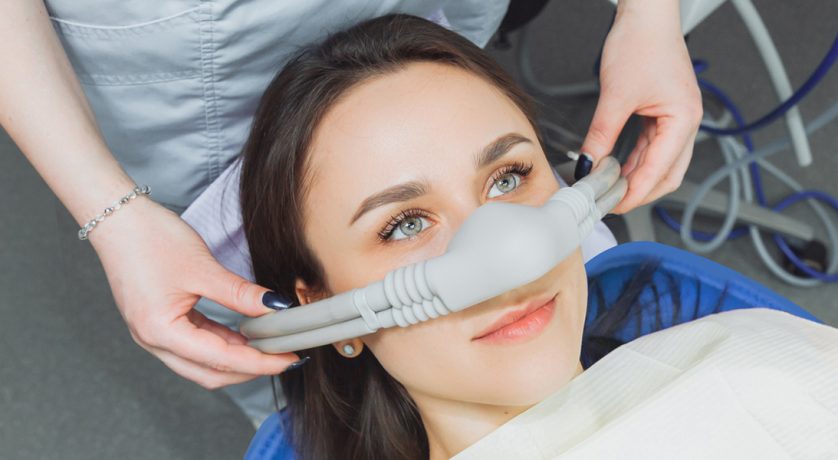
What Is Sedation Dentistry and How Does It Work?
Sedation dentistry helps patients feel more at ease by using medication that promotes relaxation during dental procedures. Every patient is different, so the level of sedation is tailored to the planned treatment, overall health, and personal needs. Contrary to popular belief, most methods do not make patients completely unconscious. Instead, they create a sense of calm while allowing communication with the dental team throughout treatment.
Before recommending any method, your dentist evaluates your medical history, current medications, treatment plan, and anxiety level. This personalized approach helps ensure both comfort and safety.
Why Patients Experience Dental Anxiety
Fear of dental care is surprisingly common. Research suggests that many adults experience some degree of dental anxiety and fear, causing them to postpone routine visits until problems become more serious.
Common reasons include:
- Previous uncomfortable dental experiences
- Fear of injections or drilling sounds
- Difficulty sitting through lengthy procedures
- Sensitive gag reflex
- Feeling a loss of control during treatment
Avoiding care often leads to more serious dental issues that eventually require more complex treatment. Addressing anxiety early helps protect both oral and overall health.
Types of Sedation Used in Dentistry
Several sedation methods are available, each designed for different comfort levels.
Nitrous Oxide
Many patients are familiar with nitrous oxide as laughing gas. It’s inhaled through a soft mask placed over the nose. It helps patients relax quickly while remaining awake and responsive. Recovery is typically quick, allowing many patients to continue with the rest of their day soon after treatment.
Oral Conscious Sedation
This option involves taking prescribed medication before the appointment. Although you’ll feel much more relaxed, you’ll still be awake and able to communicate with your dental team.
IV Sedation
Administered through a vein, IV sedation offers greater control over the level of sedation. It is commonly recommended for extensive procedures or individuals with significant anxiety.
General Anesthesia
Reserved for select cases, general anesthesia places patients into a sleep-like state under close monitoring. It may be appropriate for complex surgical procedures or certain medical situations.
Many people also refer to these services as sleep dentistry, although not all forms involve actual sleep.
Benefits of Sedation for Nervous Patients
Sedation offers advantages that extend beyond simple relaxation.
Some important benefits include:
- Reduced stress throughout treatment
- Greater comfort during longer appointments
- Less awareness of sounds and sensations
- Easier management of strong gag reflexes
- Ability to complete multiple procedures in fewer visits
- Increased confidence about returning for regular care
These benefits often encourage patients to maintain preventive appointments rather than delaying treatment.
Who Is a Good Candidate for Sedation Dentistry?
Sedation may be appropriate for patients who:
- Experience significant anxiety before appointments.
- Have difficulty remaining comfortable during treatment.
- Need lengthy or complex procedures.
- Have physical conditions that make treatment challenging.
- Have put off treatment due to a previous negative dental visit.
A consultation allows the dentist to evaluate treatment needs, discuss medical history, and recommend the most suitable sedation approach based on individual circumstances.
What to Expect During a Sedation Appointment
Knowing what happens beforehand often helps reduce uncertainty.
Your visit generally includes:
- A review of your health history
- Discussion of treatment goals
- Selection of the appropriate sedation method
- Continuous monitoring of breathing, heart rate, and blood pressure during treatment
- Recovery instructions before leaving the office
Certain forms of sedation require someone to drive you home, while lighter methods typically allow quicker recovery. Your dental team will explain any preparation instructions before your appointment.
Safety and Effectiveness of Sedation Methods
When provided by a qualified dental professional, sedation dentistry is considered a safe and reliable option for many patients. Dentists follow established clinical guidelines while continuously monitoring patients throughout treatment.
Several factors contribute to safe care:
- Thorough medical evaluation beforehand
- Careful selection of sedation level
- Ongoing monitoring during treatment
- Individualized medication planning
- Clear post-treatment instructions
Although every medical procedure has some level of risk, sedation is generally well tolerated when patients share their complete medical history and follow their dentist’s guidance.
How to Choose the Right Sedation Option
Choosing the most appropriate option depends on several considerations, not on selecting the strongest medication available.
Your dentist may consider:
- Your level of anxiety
- Medical history
- Planned procedure
- Length of treatment
- Previous experiences with sedation
- Recovery preferences
If you’re searching for a sedation dentist near you, look for a provider who performs comprehensive evaluations, explains your available options, and prioritizes patient safety throughout your care.
Expert Insight
Dental anxiety is a genuine healthcare concern, not simply nervousness. Open communication allows your dentist to tailor treatment, improve comfort, and help prevent delayed care that could lead to more complicated dental problems later.
Actionable Takeaways
- Don’t ignore persistent dental anxiety.
- Share previous experiences honestly during your consultation.
- Follow all preparation instructions carefully.
- Arrange transportation if required.
- Continue regular preventive visits after successful treatment.
Final Thoughts
No one should have to delay dental care because of fear or anxiety. With sedation dentistry in Hackensack, NJ, many patients discover that dental visits can be calm, comfortable, and far less stressful than expected. By working with Designing Smiles, a dental office near you, you can receive a personalized evaluation, choose the most appropriate sedation approach, and move forward with greater confidence in maintaining your oral health.
Frequently Asked Questions
Not necessarily. Most sedation methods help you feel deeply relaxed while remaining conscious and able to respond to your dentist.
Yes. After reviewing your medical history and medications, your dentist can determine whether sedation is appropriate and recommend the safest option.
Recovery varies depending on the sedation method. Nitrous oxide wears off quickly, while oral and IV sedation may require several hours before normal activities can safely resume.
Yes. Sedation often helps reduce gag reflex sensitivity, making treatment more comfortable for many patients.