

How to Choose the Right Dental Veneers for Your Smile Goals
January 1, 2026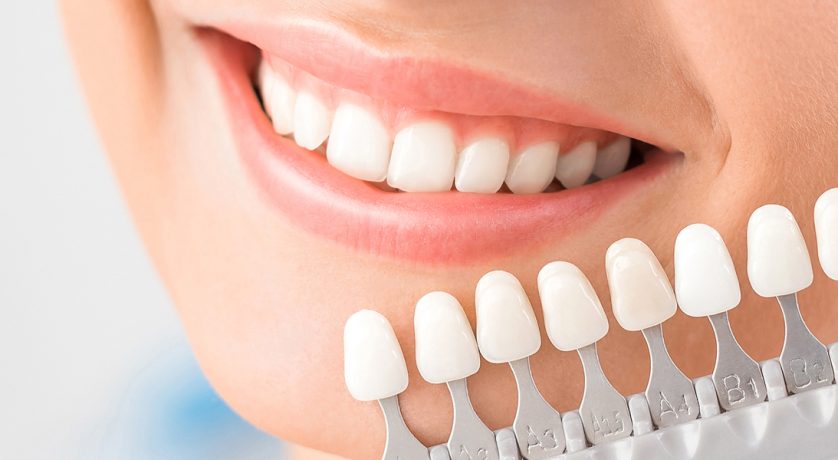
Understanding What Dental Veneers Are and How They Work
A veneer for teeth is a thin, custom shell that bonds to the front surface to change color, shape, and proportion. It masks discolored teeth, refines symmetry, and smooths minor contour issues. With modern adhesive bonding, well-planned veneers look seamless at conversational distance and feel comfortable in daily use.
Some patients choose a teeth veneer when only one tooth needs refinement; others treat a small set to balance the smile. Success depends on careful planning, conservative preparation when needed, and high-quality bonding.
Different Types of Veneers: Porcelain vs. Composite
Porcelain veneers
- Strong, stain-resistant ceramics with lifelike translucency.
- Excellent for color stability and long-term polish.
- Ideal when you want durable, highly aesthetic changes with minimal maintenance.
Composite veneers
- Sculpted chairside with tooth-colored resin.
- Typically require fewer visits and lower upfront cost.
- Useful for targeted refinements or when a reversible approach is preferred.
“Either option can address gaps in teeth, uneven edges, and minor rotation. The best choice depends on your bite, enamel condition, and how much change you want in shape and shade.
What to Keep in Mind Before Getting Dental Veneers
- Enamel and bite: Healthy enamel provides stronger bonding. Your bite forces and any grinding habits influence material selection and the need for a nightguard.
- Amount of change: Substantial shape or position changes may favor porcelain for strength and stability.
- Longevity vs. flexibility: Porcelain excels in durability; composite can be easier to revise later.
- Maintenance: Both require daily hygiene and routine professional care. Avoid biting ice and very hard foods to protect the edges.
- Budget and timeline: Consider how many teeth should be treated for a harmonious smile line and how quickly you want the final result.
Veneers refine worn edges, camouflage minor crowding, and restore chipped teeth. For larger structural problems, orthodontics or full-coverage restorations might be more appropriate, and your dentist will explain why.
Matching Veneers to Your Face Shape and Smile Design
Natural-looking results come from proportion and symmetry, not just bright color. Your clinician will evaluate lip dynamics, midline, smile arc, and tooth display at rest and in motion. Common design principles include:
- Width-to-length balance: Central incisors typically look best with balanced ratios that match facial features.
- Golden-zone guidance: Adjacent tooth widths should taper in a way that the eye reads as harmonious.
- Gingival contouring: Even gum margins can make teeth appear straighter and more youthful.
- Phonetics: Sounds like “F” and “V” help fine-tune edge length for clear speech.
Photography, mock-ups, and digital smile design help preview changes before any definitive steps are taken.
The Role of Shade Selection in Achieving a Natural Look
Shade is more than a single “color.” Natural teeth show layers: value (lightness), chroma (saturation), and translucency. To keep the veneers believable:
- Match value first: Teeth with correct lightness look clean without appearing artificial.
- Control translucency: Some translucency at the edges mimics enamel; too much can gray the result.
- Account for lighting: Shade checks should happen in neutral lighting and against a clean background.
- Sequence with whitening: If you plan to whiten neighboring teeth, complete that first so the veneers can be matched to the new baseline.
Tell your dentist how white you want to go and bring reference photos; specific examples help align expectations.
What to Expect From the Process
- Consultation and planning: Photos, scans, and models document the current shape and bite. You’ll review goals, timelines, and costs.
- Smile preview: A digital or chairside mock-up shows length and contour changes before any tooth alteration.
- Tooth preparation (if indicated): Many cases are minimal-prep; the goal is to preserve enamel for strong bonding.
- Provisional phase: Temporaries preview the design in real life so phonetics and proportion can be refined.
- Final veneers and bonding: After try-in and adjustments, veneers are bonded with precise isolation and finishing.
- Maintenance: Daily brushing, flossing, and regular professional cleanings protect margins and polish. Consider a nightguard if you clench.
Is Veneers Treatment Right for You?
You may be a good candidate if your enamel is healthy, your gums are stable, and your bite is well controlled. Veneers work best for improving shape, color, minor alignment, and worn edges when the underlying tooth is sound. If you clench or grind, a nightguard helps protect the new edges. Significant crowding, large fractures, or deep decay may call for orthodontics or full-coverage restorations instead.
Final Thoughts
Ready to reveal your best smile? Schedule your visit with a cosmetic dentist in Hackensack at Designing Smiles to explore veneer options tailored to your goals. Our team will guide you through shade, shape, and design choices that enhance your natural features. Begin your journey toward a confident, balanced smile that looks beautiful and feels completely your own.